
Blog
Types of Pain and Treatment Options: A Complete Guide

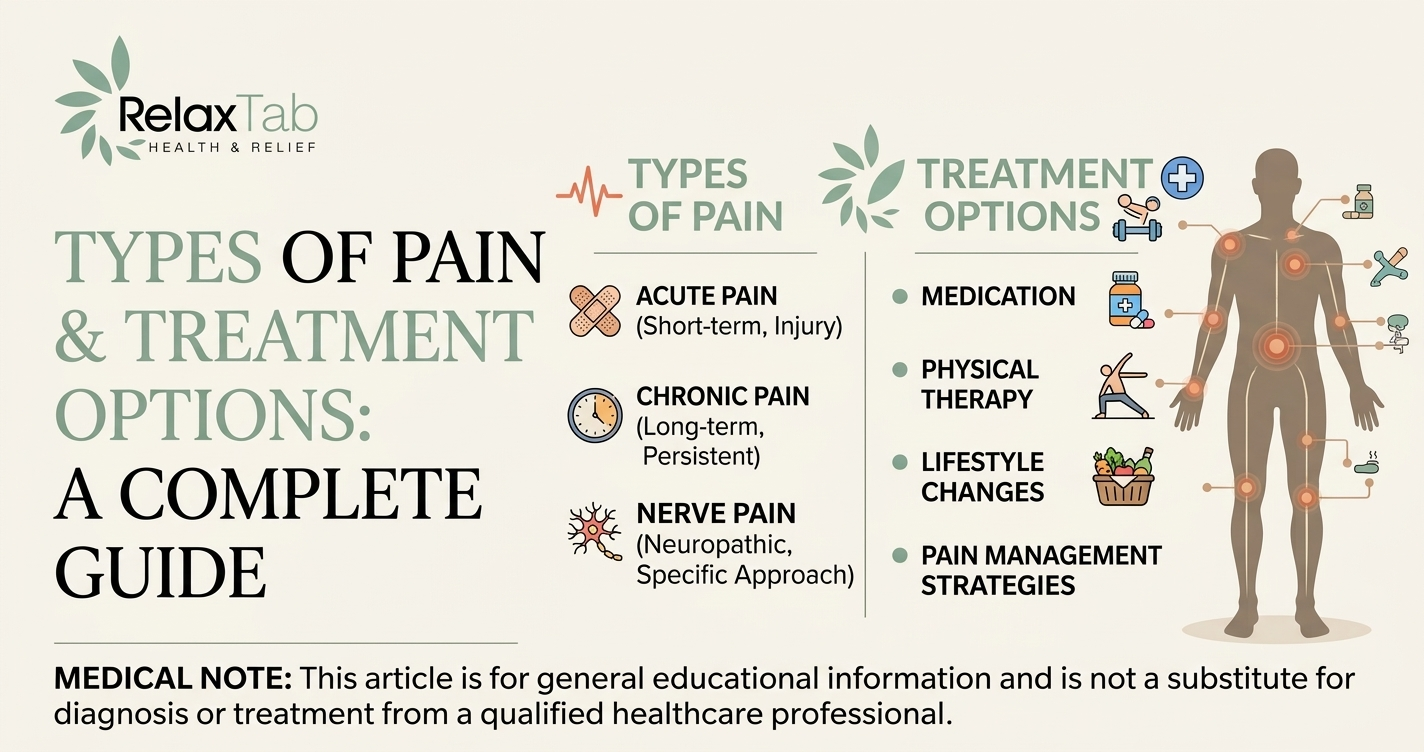
Pain is something almost everyone experiences, but not all pain is the same. The location, sensation, duration and underlying cause can determine which treatment approach is most appropriate.
Types of pain and treatment options vary widely. Acute pain often improves as an injury heals, while chronic pain may require a longer-term combination of medication, physical therapy, lifestyle changes and other pain-management strategies. Nerve pain may also require a different approach from ordinary muscle or joint pain.
In this guide, we’ll explain the common types of pain, compare acute pain vs chronic pain, discuss what causes chronic pain, explore nerve pain treatment, and explain medication and non-medication pain management options.
Medical note: This article is for general educational information and is not a substitute for diagnosis or treatment from a qualified healthcare professional. Medication choice should consider your symptoms, medical history, allergies, other medicines and the cause of pain.
Common Types of Pain
Understanding the type of pain can make it easier to discuss appropriate treatment with a healthcare professional.
1. Acute Pain
Acute pain usually begins suddenly and is generally linked to an identifiable event such as an injury, burn, dental procedure, surgery or other short-term condition.
It typically improves as the underlying problem heals.
Examples include:
- Sprained ankle
- Minor cuts or burns
- Dental pain
- Post-surgical pain
- Muscle strain
- Sudden back pain.
The CDC describes acute pain as pain lasting less than one month in its clinical guidance.
2. Chronic Pain
Chronic pain generally lasts longer than three months. It can continue even after an original injury has healed or may be associated with an ongoing condition.
Examples can include:
- Chronic back pain
- Arthritis-related pain
- Fibromyalgia
- Persistent headaches
- Some forms of nerve pain.
Chronic pain can affect sleep, mobility, mood, work and everyday activities, which is why treatment often needs to address more than the physical sensation itself.
3. Subacute Pain
Subacute pain falls between acute and chronic pain.
It generally lasts around one to three months and may develop after an injury, illness, medical procedure or inflammatory condition.
If pain continues beyond the expected healing period, it is worth discussing the symptoms with a healthcare professional.
4. Nerve Pain
Nerve pain, also called neuropathic pain, occurs when nerves are irritated or damaged.
People may describe it as:
- Burning
- Tingling
- Pins and needles
- Shooting pain
- Electric-shock sensations
- Numbness with pain
- Extreme sensitivity to touch.
Unlike many forms of muscle or joint pain, nerve pain does not always respond well to ordinary painkillers. Certain prescription medicines may be considered depending on the cause and individual circumstances.
5. Musculoskeletal Pain
Musculoskeletal pain affects muscles, bones, joints, tendons or ligaments.
Common examples include:
- Muscle strains
- Joint pain
- Back pain
- Neck pain
- Tendon injuries
- Arthritis-related discomfort.
Treatment may involve rest, gradual activity, physical therapy, topical treatments or medication depending on the underlying problem.
6. Inflammatory Pain
Inflammation can cause pain, swelling, warmth and tenderness.
Inflammatory pain may occur with injuries, arthritis and certain medical conditions.
Managing the underlying cause is often more important than simply masking the pain.
7. Referred Pain
Referred pain is felt in an area different from where the problem originates.
For example, a condition affecting one part of the body can sometimes cause discomfort elsewhere.
Because referred pain can have different causes, unexplained or persistent pain should not automatically be treated with over-the-counter medication without understanding the reason.
Acute Pain vs Chronic Pain
One of the most important distinctions in pain management is whether the pain is acute, subacute or chronic.
| Feature | Acute Pain | Chronic Pain |
| Duration | Usually short-term | Usually longer than 3 months |
| Onset | Often sudden | May develop gradually or persist after an injury |
| Common causes | Injury, surgery, dental problems | Chronic conditions, injury, inflammation or unknown causes |
| Main goal | Treat the cause and support recovery | Improve pain, function and quality of life |
| Treatment | May include rest, ice, heat, medication or other care | Often requires a combination of physical, behavioral and medical strategies |
| Medical review | Important if severe or unusual | Important when persistent or affecting daily life |
The CDC classifies acute pain as lasting less than one month, subacute pain as one to three months and chronic pain as more than three months.
Why Does the Difference Matter?
Acute pain may be closely connected to an injury that is healing. Chronic pain can be more complex and may involve changes in the nervous system, ongoing inflammation, an underlying disease or several contributing factors.
That is why simply taking stronger pain medication is not always the best long-term strategy.
What Causes Chronic Pain?
Chronic pain can result from an ongoing medical condition, previous injury, inflammation, medical treatment or changes involving the nervous system. In some cases, no single cause can be identified.
Possible causes include:
- Arthritis
- Previous injuries
- Back or neck problems
- Nerve damage
- Fibromyalgia
- Persistent headaches
- Autoimmune or inflammatory conditions
- Some long-term illnesses
- Repeated physical strain
- Pain that continues after an injury has healed.
Chronic pain can also influence sleep, activity levels, mood and concentration. These factors can interact with the pain experience, creating a cycle in which poor sleep, inactivity and stress make symptoms harder to manage.
For this reason, chronic pain treatment often uses a multimodal approach, combining several strategies rather than relying on one treatment.
Nerve Pain Treatment
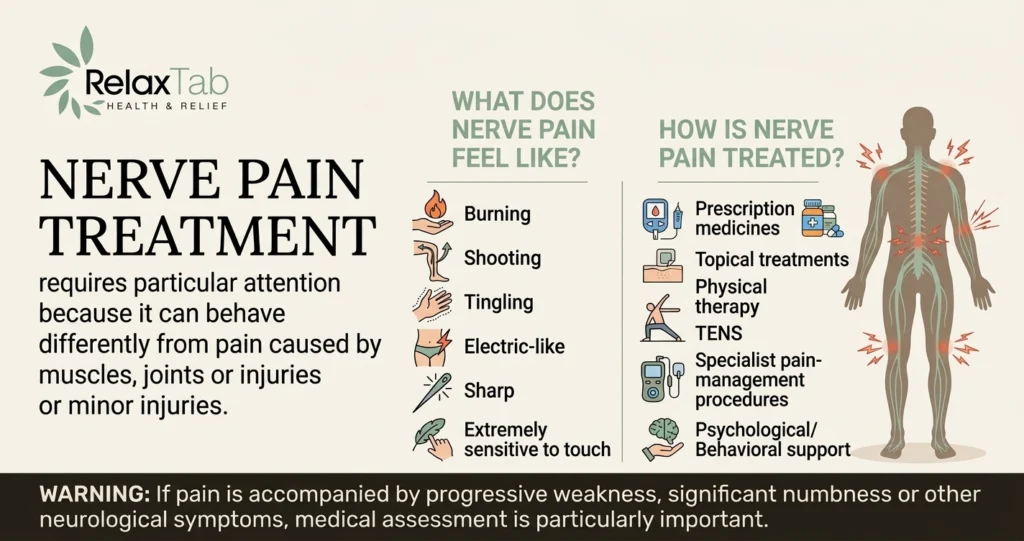
Nerve pain requires particular attention because it can behave differently from pain caused by muscles, joints or minor injuries.
How Is Nerve Pain Treated?
Nerve pain treatment depends on its underlying cause. Options may include treating the cause, prescription medicines designed for neuropathic pain, topical treatments for localized symptoms, physical therapy and other specialist approaches.
Commonly considered approaches include:
- Treating the underlying medical condition
- Certain antidepressant medicines
- Certain anticonvulsant medicines
- Topical lidocaine or capsaicin for selected localized pain
- Physical therapy where appropriate
- TENS in selected cases
- Psychological or behavioral support for coping with persistent pain
- Specialist pain-management procedures when appropriate.
Some medicines used for neuropathic pain were originally developed for other conditions but can affect pain signaling in the nervous system.
What Does Nerve Pain Feel Like?
Nerve pain may feel:
- Burning
- Shooting
- Tingling
- Electric-like
- Sharp
- Extremely sensitive to touch.
If pain is accompanied by progressive weakness, significant numbness or other neurological symptoms, medical assessment is particularly important.
Pain Management Options
Pain management does not necessarily mean taking medication.
A personalized plan may combine several approaches.
1. Medication
Depending on the condition, healthcare professionals may consider:
- Acetaminophen/paracetamol
- Nonsteroidal anti-inflammatory drugs (NSAIDs)
- Topical pain-relief products
- Certain medicines for neuropathic pain
- Other prescription treatments when clinically appropriate.
The right option depends on the cause of pain, other health conditions and potential medicine interactions.
2. Physical Therapy
Physical therapy can help restore movement, strength and function.
It may be particularly useful for certain:
- Back problems
- Joint problems
- Sports injuries
- Post-surgical recovery
- Chronic musculoskeletal conditions.
3. Heat and Cold
Cold may be useful after some acute injuries, while heat can help some people with muscle stiffness or tension.
The appropriate method depends on the injury and condition.
4. Exercise
Appropriate physical activity can support mobility and function.
For chronic pain, gradual exercise may include:
- Walking
- Swimming
- Low-impact aerobic activity
- Stretching
- Strength training
- Mobility exercises.
Exercise should be adapted to the person’s condition and physical ability.
5. Behavioral Approaches
Persistent pain can affect mood, sleep and stress levels.
Approaches such as cognitive behavioral therapy, mindfulness and relaxation techniques can help some people develop better coping strategies and improve quality of life.
Best Pain Relief Medication
There is no single best pain relief medication for every type of pain.
The most appropriate choice depends on:
- What is causing the pain
- Whether it is acute or chronic
- Pain severity
- Age
- Existing medical conditions
- Other medicines being taken
- Allergies
- Pregnancy or breastfeeding status
- Risk of side effects.
For some types of mild-to-moderate pain, acetaminophen/paracetamol or an NSAID may be appropriate when used according to product directions and individual medical advice.
NSAIDs such as ibuprofen and naproxen can be useful for certain inflammatory and musculoskeletal conditions, but they are not suitable for everyone.
For nerve pain, standard painkillers may be less effective, and healthcare professionals may consider medicines specifically used for neuropathic pain.
What About Opioids?
Opioids can be appropriate in selected situations, but they carry important risks.
Current CDC guidance recommends maximizing non-opioid and non-drug approaches when appropriate. For many common acute pain conditions, non-opioid treatments can be at least as effective as opioids, while non-opioid approaches are preferred for many subacute and chronic pain conditions.
Never start, stop or change prescription pain medicine without appropriate medical guidance.
How to Relieve Pain Naturally
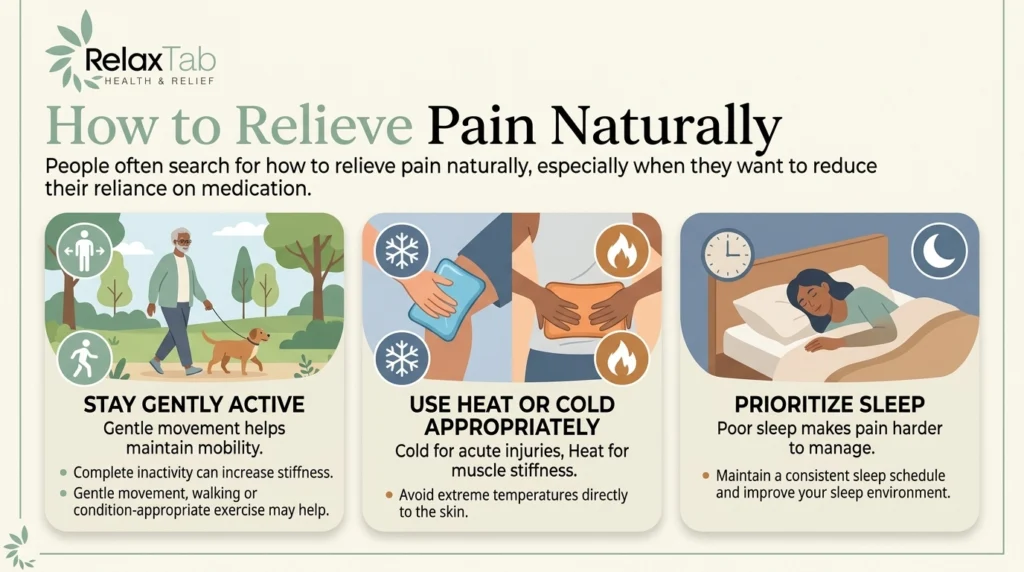
People often search for how to relieve pain naturally, especially when they want to reduce their reliance on medication.
Depending on the cause of pain, helpful approaches may include:
Stay Gently Active
Complete inactivity can sometimes increase stiffness and reduce physical function.
Gentle movement, walking or condition-appropriate exercise may help maintain mobility.
Use Heat or Cold Appropriately
Cold packs may help with some acute injuries, while heat may be useful for muscle stiffness.
Avoid applying extreme temperatures directly to the skin.
Prioritize Sleep
Poor sleep can make pain feel more difficult to manage.
Maintaining a consistent sleep schedule and improving your sleep environment may support overall pain management.
For additional information, see:
Sleep-related resource: What Causes Trouble Sleeping?
Sleep hygiene resource: Sleep Hygiene Tips
Practice Relaxation Techniques
Deep breathing, mindfulness, meditation and other relaxation techniques may help reduce stress associated with persistent pain.
Avoid Overdoing Activity
Exercise can be beneficial, but suddenly increasing activity can aggravate certain injuries.
A gradual approach is usually more sustainable.
Pain, Sleep and Everyday Wellbeing
Pain and sleep can influence each other.
Persistent discomfort may make it harder to fall asleep or stay asleep. At the same time, insufficient or poor-quality sleep can make pain feel more difficult to tolerate.
If pain is repeatedly interfering with sleep, it is worth addressing both issues instead of treating them as completely separate problems.
You can also explore:
Insomnia resource: What Is Insomnia?
Improving sleep habits does not replace treatment for an underlying medical condition, but better sleep can be an important part of an overall wellness and pain-management plan.
When Should You See a Doctor?
Not every episode of pain requires urgent medical attention. However, some symptoms should be assessed promptly.
Seek urgent medical help if pain is:
- Severe and sudden without an obvious explanation
- Associated with chest pressure or difficulty breathing
- Associated with fainting or confusion
- Accompanied by sudden weakness or significant neurological symptoms
- Associated with a major injury
- Accompanied by severe bleeding
- Rapidly worsening.
For persistent pain, arrange a medical assessment if:
- It continues beyond the expected healing period
- It repeatedly returns
- It interferes with sleep
- It limits normal activities
- You need pain medicine frequently
- The cause is unclear
- You develop numbness, weakness or other concerning symptoms.
Exploring Pain Relief Options Online
If you’re researching pain relief products, it is important to understand what type of pain you are trying to manage before selecting a product.
Relax Tab provides an online destination where customers can explore its pain relief category and learn more about available options.
Explore: Pain Relief Medication Online
Always read the product information and follow the recommended directions. If you’re unsure whether a medicine is appropriate for you, speak with a qualified healthcare professional.
You can also visit the Relax Tab homepage to explore the wider range of health and wellness information and products: Relax Tab
FAQs
Q1: What causes chronic pain?
A: Chronic pain may result from conditions such as arthritis, nerve damage, fibromyalgia, persistent back problems, inflammation, previous injuries or medical treatments. Sometimes no single cause can be identified. A healthcare professional can help investigate persistent or unexplained pain.
Q2: How can I relieve pain naturally?
A: Depending on the cause, natural or non-drug approaches may include appropriate physical activity, heat or cold, relaxation techniques, mindfulness, improved sleep and physical therapy. Persistent or severe pain should be medically assessed rather than managed only with home remedies.
Q3: Are painkillers safe for everyone?
A: No. Pain medicines have different risks, contraindications and interactions. Factors such as age, pregnancy, kidney or liver problems, stomach conditions, allergies and other medicines can affect whether a product is appropriate.
Q4: Is medication the only pain management option?
No. Pain management may include medication, physical therapy, exercise, behavioral approaches, lifestyle changes, heat or cold and selected procedures. For chronic pain, combining appropriate approaches can be more useful than relying on medication alone.
Q5: Can chronic pain go away?
A: Sometimes the underlying cause can be treated and pain can improve substantially. In other cases, chronic pain may need ongoing management. The goal can include reducing symptoms, improving movement, supporting sleep and restoring quality of life.
Q6: When should pain be treated as an emergency?
A: Severe unexplained pain, pain associated with difficulty breathing, fainting, confusion, sudden neurological changes, major trauma or other serious symptoms requires urgent medical assessment.
Evidence and Trusted Resources
For readers who want to understand the evidence behind pain management, authoritative resources include the U.S. Centers for Disease Control and Prevention (CDC) and the National Institute of Neurological Disorders and Stroke (NINDS).
The CDC’s clinical guidance emphasizes individualized treatment and the appropriate use of non-opioid and non-pharmacological therapies.
The NINDS explains that pain management can involve medication, physical therapy, behavioral approaches, lifestyle changes and other interventions depending on the type and cause of pain.
Conclusion
Understanding the types of pain and treatment options is the first step toward choosing a sensible approach to pain relief.
Acute pain often has a clear cause and may improve as the body heals. Chronic pain can be more complex and may require long-term management. Nerve pain is another distinct category that may respond differently to standard pain medicines.
The most effective pain-management strategy is not necessarily the strongest medicine. It is the approach that addresses the underlying cause while safely improving pain, movement, sleep and everyday function.
Whether you’re dealing with occasional discomfort or persistent symptoms, consider the type of pain, how long it has lasted and what may be causing it. When pain is severe, persistent, unexplained or affecting your quality of life, professional medical advice is important.